5 Best Ontario Cities to Invest in Real Estate in 2026
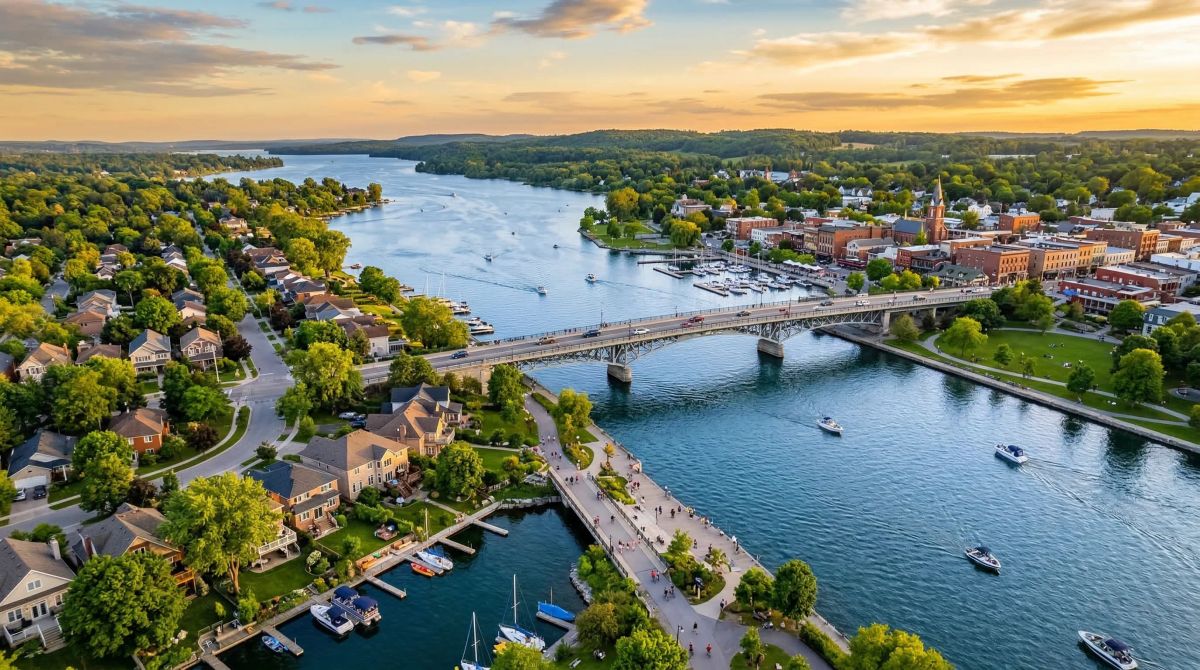
From Barrie to Windsor, these five Ontario cities outside Toronto offer the strongest rental yields and long-term appreciation potential for investors in 2026.
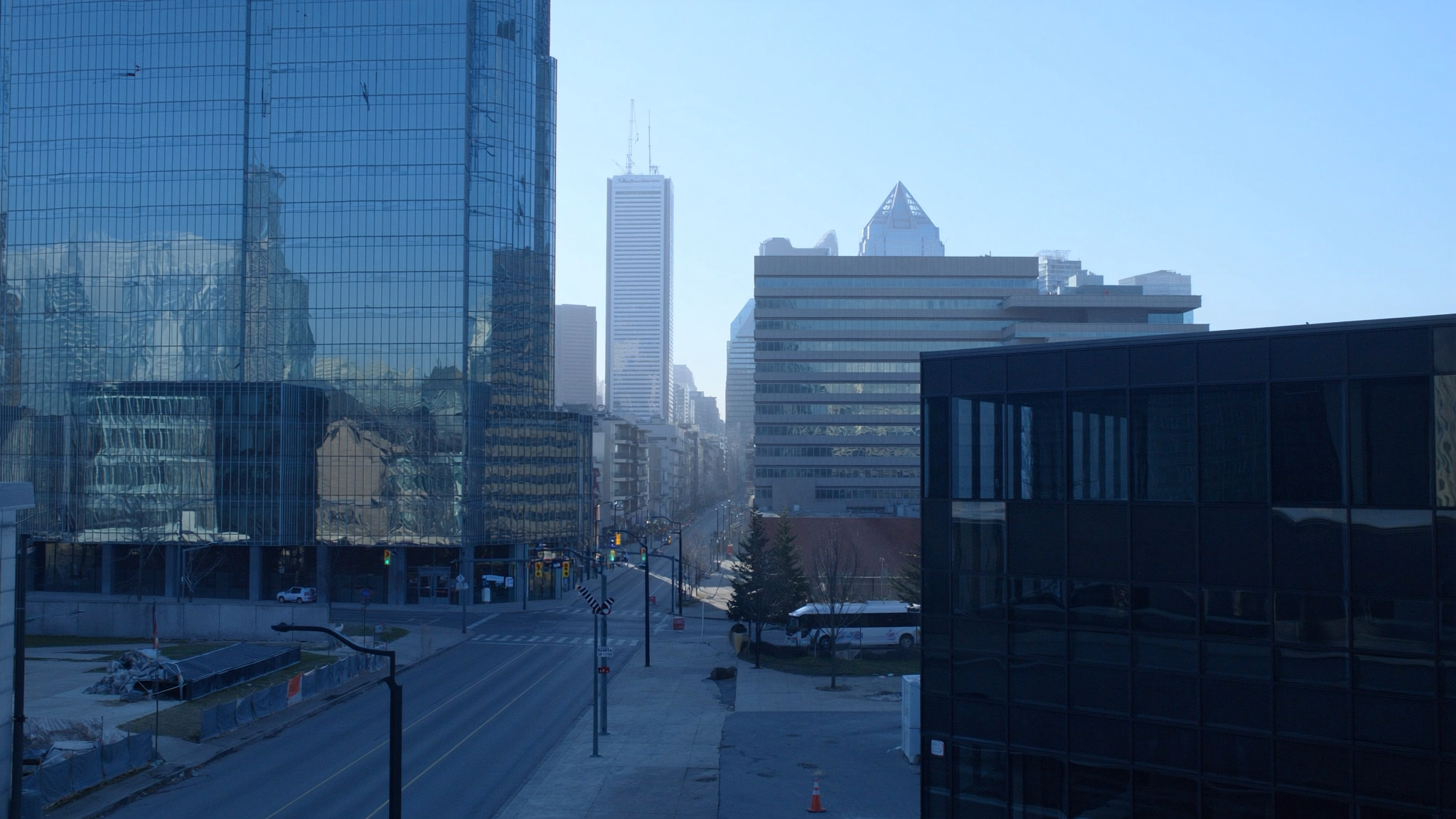
Toronto is expensive, cash flow negative for most investors, and facing years of condo supply digestion. That's not a secret — it's the dominant narrative of Ontario real estate in 2026. But here's what gets less attention: the province is enormous, and several markets outside the GTA are offering a combination of affordability, population growth, and rental demand that Toronto can't come close to matching right now.
The best Ontario cities to invest in real estate in 2026 aren't necessarily the ones with the highest appreciation potential. They're the ones where you can buy at a sensible price, achieve reasonable cash flow (or at least break even), and hold an asset with genuine long-term tailwinds. These five cities fit that description — each for different reasons.
Why Look Outside Toronto?
Let's be blunt about the math. A Toronto condo purchased for $650,000 with 20% down carries monthly costs of $3,500–$4,200 (mortgage, condo fees, taxes). Comparable rentals in many GTA buildings top out at $2,600–$2,900/month. You're losing money every month, betting purely on appreciation that isn't materializing.
Outside Toronto, the math looks different. Purchase prices are lower, carrying costs are lower, and in several markets, rental demand is strong enough to support break-even or positive cash flow positions. Long-term wealth accumulation in Ontario real estate historically rewards patience, disciplined financing, and location selection over short-term timing — and right now, location selection is everything.
1. Barrie — The Townhouse Opportunity
Barrie isn't a new story, but the 2026 version of the Barrie market has a specific angle that investors should pay attention to. Barrie's townhouse market corrected significantly, with average prices falling year-over-year to approximately $548,100 — a meaningful drop that has created entry points at prices that simply didn't exist during the 2021–2022 frenzy.
The fundamentals remain strong. Barrie sits on the western shore of Lake Simcoe, offering a lifestyle that attracts Toronto commuters, remote workers, and families priced out of the GTA. GO Transit connects Barrie to Union Station, making it a credible commute for hybrid workers. The city has grown steadily and isn't reliant on a single employer or industry.
For investors, townhouses in the $530,000–$560,000 range can generate $2,200–$2,600/month in rent depending on size and location. It's not a windfall cash flow position — but it's vastly better than Toronto, and you're buying at a corrected price point with upside as rates eventually normalize and GTA spillover demand returns.
Consider Sarah, a 34-year-old nurse from Toronto who bought a 3-bedroom Barrie townhouse in early 2025 for $540,000 with 20% down. Her monthly mortgage at 4.5% (25-year amortization) is $2,380. She rents it for $2,500/month, covers taxes and basic maintenance from the overage, and is essentially holding a real asset at near-zero cost while building equity. That's the Barrie townhouse thesis in action.
2. Hamilton-Burlington — Steel City Reinvented
Hamilton's transformation over the past decade has been remarkable. The city has moved well past its steel-mill image — though the steel industry still matters — and has built a reputation for arts, dining, McMaster University, and proximity to Niagara wine country. Burlington, just east, blends Hamilton's affordability advantage with a more suburban character and Waterfront Trail access.
The numbers tell the story: the Hamilton-Burlington townhouse market saw one of the largest price corrections in Southern Ontario, falling from $688,100 in 2024 to approximately $625,100 in 2025 — a decline of over $63,000. That correction has widened the affordability gap between Hamilton and Toronto significantly.
At $625,000 for a townhouse, you're buying into a city with a hospital district, a research university, growing tech sector employment, and ongoing LRT transit investment. The LRT project — which has faced delays but remains moving forward — will increase density and walkability along its corridor, which typically supports long-term property values in those zones.
Rental demand is solid. McMaster University generates consistent student tenant demand, and Hamilton's growing population of young professionals is increasingly choosing Hamilton over unaffordable Toronto. Rental rates in the $2,400–$2,800/month range for townhouses make the numbers tighter but workable depending on your financing terms.
3. Windsor — The Affordability Leader
Windsor is the most affordable major Ontario city, and in 2026 that's a genuine competitive advantage rather than a signal of poor prospects. Windsor consistently ranks among the top places to invest in real estate in Canada — and the reasons are getting stronger, not weaker.
Entry-level homes and condos in Windsor are available in the $350,000–$400,000 range. At those price points, positive cash flow is genuinely achievable for investors in a way that's impossible in most of Southern Ontario. A $375,000 property with 20% down ($75,000) carries mortgage payments of roughly $1,660/month at today's rates. A 2-bedroom rental in Windsor commands $1,800–$2,200/month in rent. That's breakeven to slightly positive — rare in Ontario.
Windsor's economic drivers are diversifying. The city has historically been tied to the automotive sector, which remains significant (the electric vehicle transition brings both risk and opportunity, with Stellantis and other manufacturers maintaining a local footprint). But Windsor is also benefiting from cross-border activity with Detroit, growing university enrollment at the University of Windsor, and sustained immigration bringing new residents who need housing.
Population and immigration growth, transit and infrastructure investment, diverse employment sectors, and consistent rental demand are the four pillars of long-term real estate value — and Windsor is building all four. It's not glamorous. But the fundamentals are genuine.
4. Peterborough — Infrastructure Investment Underway
Peterborough sits in the sweet spot between affordable and aspirational. Located about 90 minutes northeast of Toronto, it attracts retirees, remote workers, outdoor enthusiasts, and students from Trent University. It has a historic downtown, the Trent-Severn Waterway, and a cost of living that feels like a different era compared to the GTA.
What's new in 2026: Peterborough's 2026 municipal budget includes infrastructure investments such as wastewater facility upgrades and airport expansion, funded by a 6.56% all-inclusive tax increase (approximately $28 per month for the median household). The property tax increase stings slightly for buyers, but the underlying message is positive: the city is investing in its long-term capacity rather than deferring infrastructure costs.
Peterborough home prices are typically in the $550,000–$650,000 range for detached homes, with condos and townhouses available at lower price points. The university population creates a reliable student rental market, while the city's broader appeal draws a mix of professional and retiree tenants. It's a market where landlords have had genuine choice in tenants, which matters under Ontario's tenancy framework.
The risk: Peterborough's economy is smaller and less diversified than Hamilton or Windsor. A single major employer leaving could matter more here than in a larger city. Do your due diligence on the local employment base before committing.
5. Kingston — Dual Demand Drivers That Don't Quit
Kingston might be the most resilient smaller market in Ontario for one simple reason: it has two anchor demand drivers that operate independently and are both highly stable. Queen's University brings tens of thousands of students, faculty, and staff. Canadian Forces Base Kingston brings military personnel and their families. Together, they create a rental demand base that doesn't evaporate when the broader economy wobbles.
Add tourism (Kingston is a beautifully preserved 19th-century city on Lake Ontario), the growing healthcare sector anchored by Kingston General Hospital, and strong ferry access to Prince Edward County — and you have a city with more going for it than its size suggests.
Kingston prices have been relatively stable compared to more volatile Ontario markets. Properties in the $500,000–$700,000 range for detached homes offer reasonable entry points. Student rentals near Queen's campus command premium per-bedroom rates, and the military population provides stable, reliable tenants who often sign multi-year leases.
The downside: Kingston is smaller, supply is tighter, and finding deals requires patience and local market knowledge. But if you're looking for stability and consistent demand rather than aggressive appreciation, Kingston delivers.
The Comparison Table
| City | Avg Townhouse/Entry Price | Key Demand Driver | Cash Flow Profile | Growth Catalyst |
|---|---|---|---|---|
| Barrie | ~$548,000 | GTA overflow, GO Transit | Near breakeven to slight positive | Corrected prices + hybrid work |
| Hamilton-Burlington | ~$625,000 | McMaster, LRT, young professionals | Tight but workable | LRT transit corridor development |
| Windsor | ~$350,000–$400,000 | Auto sector, University of Windsor, cross-border | Positive cash flow achievable | EV manufacturing investment |
| Peterborough | ~$575,000 (detached) | Trent University, retirees, remote workers | Near breakeven | Municipal infrastructure investment |
| Kingston | ~$575,000–$650,000 | Queen's University, CFB Kingston | Near breakeven (student premium) | Stable dual institutional demand |
What All Five Cities Have in Common
Each of these markets shares characteristics that investors targeting the best Ontario cities for long-term wealth outcomes in 2026 should focus on: buy-and-hold time horizons of 7–10+ years, diversified tenant demand drivers, transit-accessible neighbourhoods, and fundamentals that compound value over time rather than relying on speculative price appreciation.
None of them will make you rich overnight. Windsor won't double in two years. Kingston won't attract celebrity investors. But in a market where the Toronto condo play is demonstrably broken and buying at the GTA peak means years of pain, these cities offer something genuinely valuable: a reasonable price, a defensible tenant base, and a realistic path to building wealth over time.
If you're seriously considering any of these markets, hire a local agent who specializes in investor purchases. Walk the streets, visit the neighbourhoods, understand the specific micro-markets within each city. Great real estate investing has always been hyper-local. These cities offer the macro conditions — the rest is your homework.

Written by
Frank Lee
Market news and data explainers
Market news and data explainers. Writes from public releases (TRREB, CMHC, StatCan, BoC) with original analysis for Ontario / GTA readers.
View all articles by Frank →