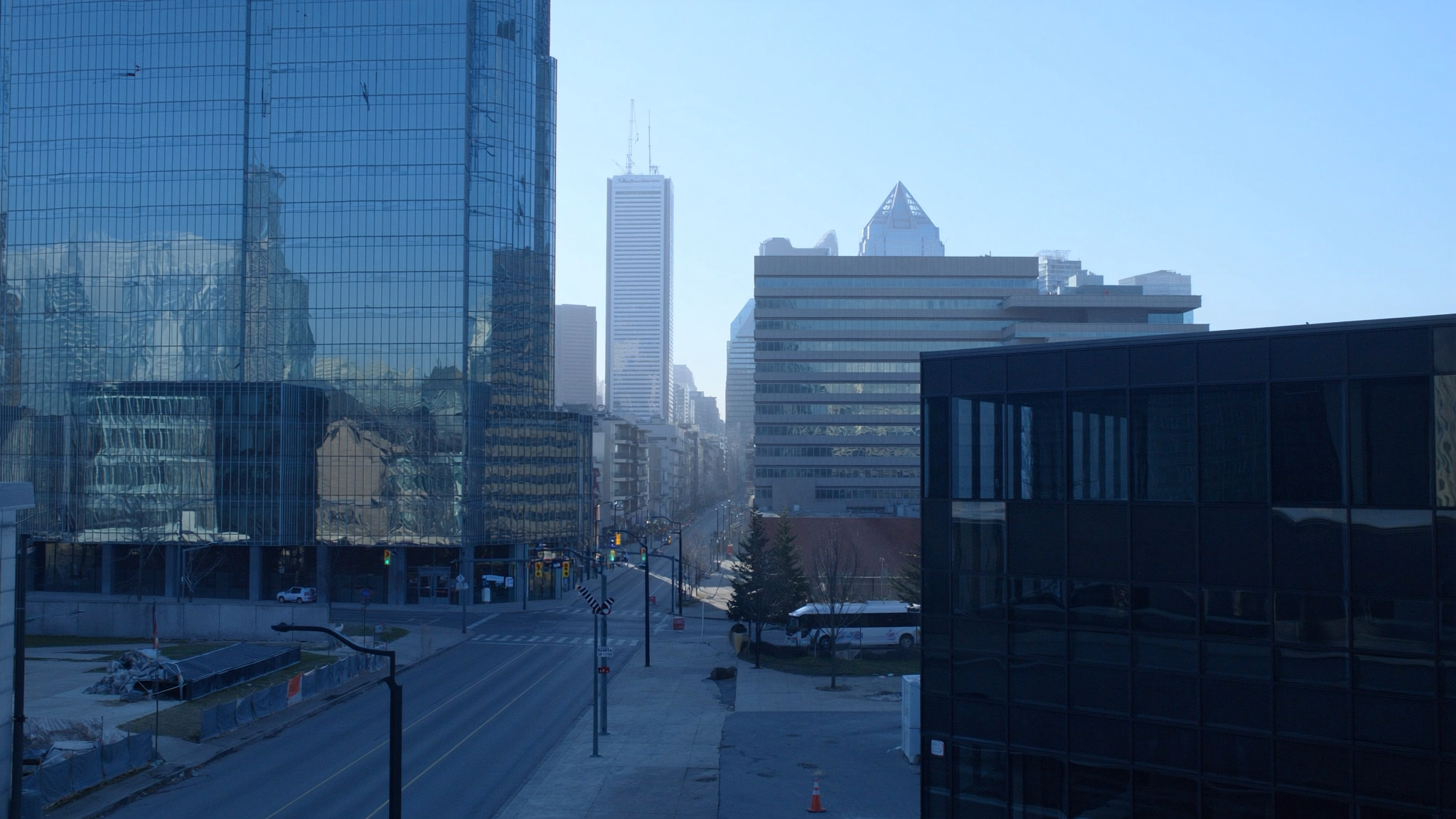
GTA Home Sales Down 6.3% as 100K Buyers Wait on Sidelines
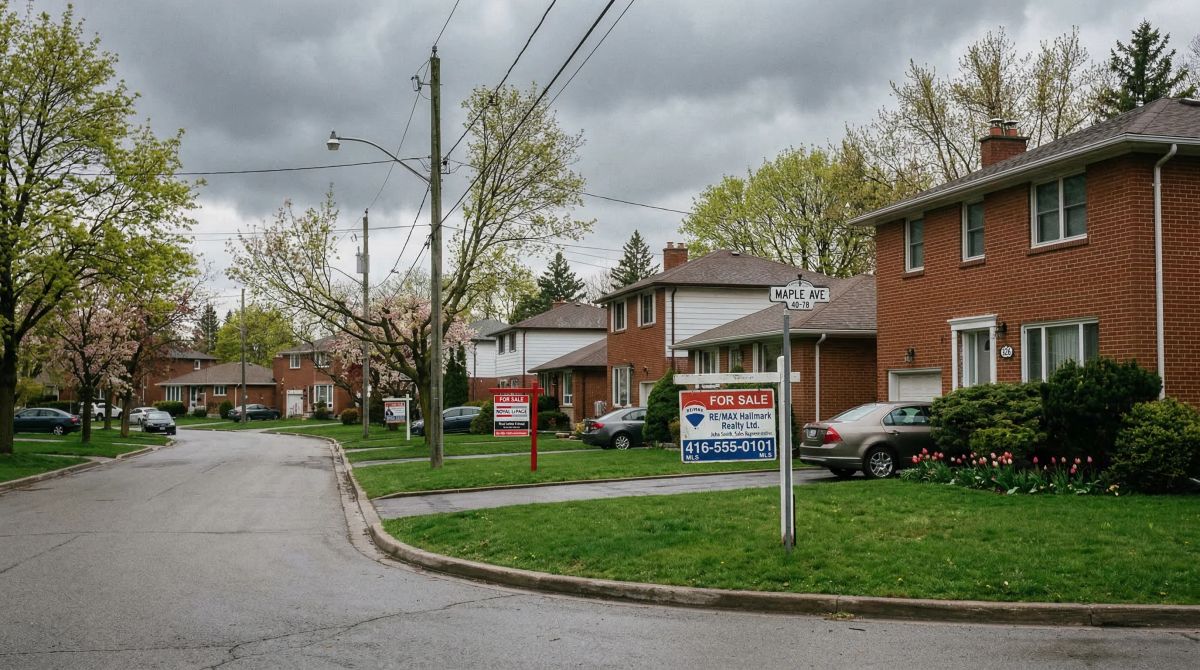
TRREB's February 2026 data shows GTA sales down 6.3% year-over-year, but new listings fell even faster at 17.7% — a signal that spring competition could intensify.
February Numbers Confirm What Buyers Already Know: The Wait Continues
The GTA housing market didn't find its footing in February. According to the Toronto Regional Real Estate Board, 3,868 homes sold across the region last month — a 6.3% decline compared to February 2025. It's a number that would look more alarming in isolation, but the bigger story is hiding in the listing data.
New listings fell even harder. There were 10,705 new properties listed in February, down 17.7% year-over-year. When you're losing sellers faster than you're losing buyers, the market is actually tightening — even if the headline sales number suggests otherwise. That's the quiet dynamic building beneath the GTA surface right now.
The MLS Home Price Index composite benchmark was down 7.9% year-over-year in February 2026. The average selling price came in at $1,008,968 — a 7.1% drop from the same month a year ago. On a seasonally adjusted basis, both the benchmark and average price ticked lower month-over-month as well, meaning prices haven't yet found a floor.
TRREB President: Competition Is Coming for Spring Buyers
TRREB President Daniel Steinfeld didn't mince words in the February Market Watch release. "There is substantial pent-up demand in the GTA ownership market, with more than 100,000 buyers holding off on making a home purchase," he said. "Buyers are waiting for selling prices to level off and for positive news on the trade front."
That 100,000-buyer figure is striking. It represents a reservoir of demand that could move quickly once sentiment shifts. Steinfeld went on to warn that if new listings continue to trend lower through the spring, "competition among buyers will increase, which will create upward pressure on prices."
In other words: the window for buying without competition may be closing. The spring market hasn't fully materialized yet, but when it does, buyers who waited for perfect conditions may find themselves competing for fewer properties than they expected.
Sales Down, But Market Tightening
On a seasonally adjusted basis, February home sales were down slightly month-over-month from January. But new listings fell by a greater monthly rate than sales — a meaningful distinction. When supply is falling faster than demand, that's not a buyer's market getting worse. It's a buyer's market approaching a turning point.
Detached homes have held up better than the broader market. Through the first two months of 2026, detached homes have averaged $1,304,072 in selling price and represent 43.7% of all sales. That segment has stayed relatively resilient even as condo prices have continued to soften — a theme that's been playing out since mid-2025.
There are also pockets of the GTA where current conditions are generating real value for buyers. Some Toronto condos are appearing on the market for under $400,000 — prices not seen in years. For buyers with long time horizons and the financial flexibility to move now, the current environment offers negotiating power that won't last indefinitely.
What's Keeping Buyers on the Sidelines?
The February slowdown is about more than interest rates. The U.S. trade war and tariff uncertainty have created a general cloud of economic anxiety that's keeping both buyers and sellers cautious. When people aren't sure about their jobs or their industry's prospects, they don't buy houses — even when they have the down payment ready.
The Bank of Canada held its rate at 2.25% on March 18, and markets are now pricing in potential rate hikes by year-end rather than additional cuts. That's not the environment that unlocks sideline buyers. For the 100,000-plus households that TRREB says are waiting to enter the market, the trigger they're looking for — meaningful price drops, a rate cut, or clarity on trade — hasn't arrived yet.
The next rate announcement is April 29. The spring market is already underway. Whether February's data marks the bottom of the slowdown or the beginning of a more sustained pullback depends heavily on what happens in the next six weeks — with trade policy, energy prices, and the Bank of Canada's tone.
If that pent-up demand breaks loose, spring 2026 could look very different from winter. But right now, 100,000 Ontario buyers are still watching — and waiting.
Detached Homes Are Holding the Market Together
One segment that's providing relative stability is the detached home category. Through the first two months of 2026, detached home sales have averaged $1,304,072 in price and represent 43.7% of all GTA transactions, according to Howard Esakov's market analysis. Buyers who've entered this segment have generally found less competition than during the 2021-2022 frenzy — but well-priced detached homes in sought-after neighbourhoods are still moving quickly when positioned correctly.
That pattern showed up vividly in a recent Beaconsfield Village sale where four offers came in on a correctly priced listing, ultimately selling above asking. In low-inventory neighbourhoods, the buyer competition that defined the pandemic era hasn't fully disappeared — it's just become far more selective. Overpriced homes sit. Correctly priced homes move. The February data confirms that divide is sharpening.
TRREB's 2026 annual forecast projects between 60,000 and 70,000 GTA transactions for the full year. With 3,082 sales in January and 3,868 in February, the market is running slightly below the pace needed to hit the lower end of that range. A meaningful spring recovery — starting in March and April — is baked into those projections. Whether buyers return in those numbers depends on what happens next with rates, trade, and confidence. The first two months of 2026 have been anything but reassuring on any of those fronts.

Written by
Frank Lee
Market news and data explainers
Market news and data explainers. Writes from public releases (TRREB, CMHC, StatCan, BoC) with original analysis for Ontario / GTA readers.
View all articles by Frank →