
The GTA Pre-Construction Crisis: 28,000 Units Set to Close in 2026 and What It Means for Agents
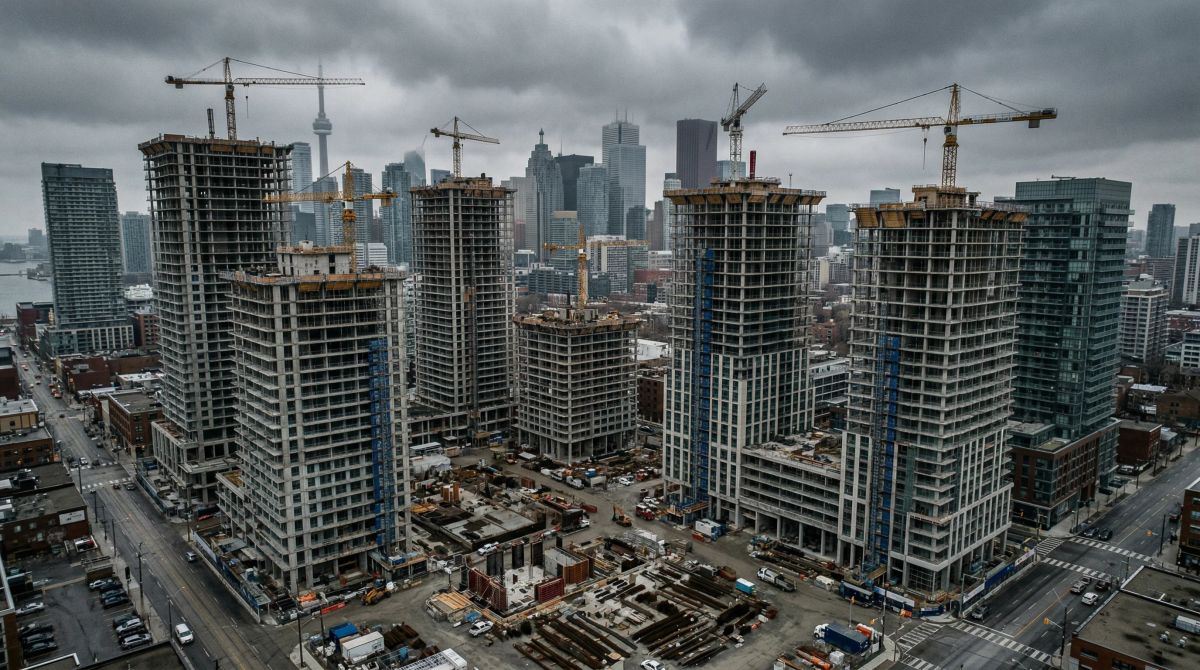
With 28,000 GTA condo units set to close in 2026 and prices down 25%, agents face a wave of distressed buyers, failed closings, and new opportunities.
The Year of Reckoning for Pre-Construction
Real estate professionals in the GTA have been bracing for this moment for two years. An estimated 28,000 pre-construction condo units are expected to close in 2026 -- and a significant number of those buyers are in serious trouble.
Toronto condo prices have plummeted roughly 25% since the early 2022 peak. Buyers who committed to pre-construction purchases five or six years ago at inflated prices are now watching their units appraise for far less than what they agreed to pay. The math doesn't work anymore, and the fallout is creating a wave of distressed situations that Ontario agents need to understand.
What's Actually Happening
The typical pre-construction scenario looks like this: a buyer signed a purchase agreement in 2020 or 2021 for a condo at $675,000. They put down $67,500 (10%) over the builder's deposit schedule. Fast forward to 2026, and similar units are selling for $500,000 to $525,000 on the resale market.
At closing, the buyer's lender orders an appraisal. The unit appraises at $510,000. The lender will only finance based on the appraised value, leaving the buyer with a gap of $165,000 that needs to come from somewhere. Most buyers don't have that kind of cash.
The options are grim:
- Close at a loss: Find the cash to cover the appraisal gap, essentially paying above-market for the unit
- Assignment sale: Try to sell the contract to another buyer before closing -- but assignment fees and the current market make this difficult
- Walk away: Forfeit the deposit entirely and face potential legal action from the builder for the price difference
- Negotiate with the builder: Some builders are offering price reductions or extended closing dates, but this varies widely
Why This Is 2026's Biggest Story
This isn't a fringe issue. CMHC data shows Toronto leads the country in projected mortgage arrears growth. The pre-construction closing wave is one of the primary reasons why.
Consider the scale:
| Factor | Current Data |
|---|---|
| Units expected to close in 2026 | ~28,000 in GTA |
| Condo price decline from peak | ~25% |
| Average deposit at risk per unit | $50,000 - $100,000+ |
| Unsold completed condo inventory (Toronto) | 4,500+ units |
| Developer presale threshold for financing | 50-70% (many projects below) |
Multiple developers have paused or cancelled projects entirely. The ones moving forward are dealing with buyers who can't close, which creates a cascade of financing problems for the entire project.
What Ontario Agents Should Be Doing
Know the assignment market
Assignment sales are surging as desperate buyers try to offload contracts before closing. If you're not familiar with the assignment process, the TRESA disclosure requirements, and the tax implications (assignments are subject to HST), now is the time to learn. Agents who can navigate assignment transactions have a growing pool of motivated clients.
Understand builder negotiations
Some builders are quietly offering concessions -- closing date extensions, price reductions, or upgraded finishes to sweeten the deal. Others are pursuing legal action against buyers who try to walk away. Knowing which builders are flexible and which aren't is valuable intelligence for your clients.
Connect with mortgage brokers who specialize in challenging files
Conventional lenders are tightening on condo financing, particularly for units that appraise below the purchase price. But alternative lenders and private mortgage options exist. Building relationships with brokers who work difficult deals can help you save transactions that would otherwise fall apart.
Position for the opportunity
Ontario's new HST rebate -- offering up to $130,000 off the tax on new homes starting April 1 -- could shift the calculus for some pre-construction buyers. Agents who understand how this rebate interacts with existing purchase agreements, assignment sales, and closing scenarios will be invaluable to clients.
There's also a growing market for buyers looking to pick up distressed pre-construction units at deep discounts. Failed closings create inventory that builders need to move quickly. Agents who build relationships with developer sales teams can get early access to these opportunities.
The Bigger Picture
The pre-construction crisis isn't just a condo story. It's affecting the entire new-construction pipeline. Housing starts projections for Ontario were just cut to 64,800 for 2026 -- well below what's needed to address the housing supply gap. When developers can't sell units and buyers can't close, fewer projects get launched. That creates a supply crunch that shows up three to five years down the road.
For Ontario agents, 2026 is about two things: helping existing clients navigate a difficult market, and positioning yourself to capture the recovery when it comes. The agents who understand the pre-construction landscape -- the risks, the negotiations, the legal complexities -- will be the ones clients trust when confidence returns.

Written by
Frank Lee
Market news and data explainers
Market news and data explainers. Writes from public releases (TRREB, CMHC, StatCan, BoC) with original analysis for Ontario / GTA readers.
View all articles by Frank →

