
Ontario Budget 2026: $300M Condo-to-Rental Fund, $875M for Infrastructure, and What It Means for GTA Housing
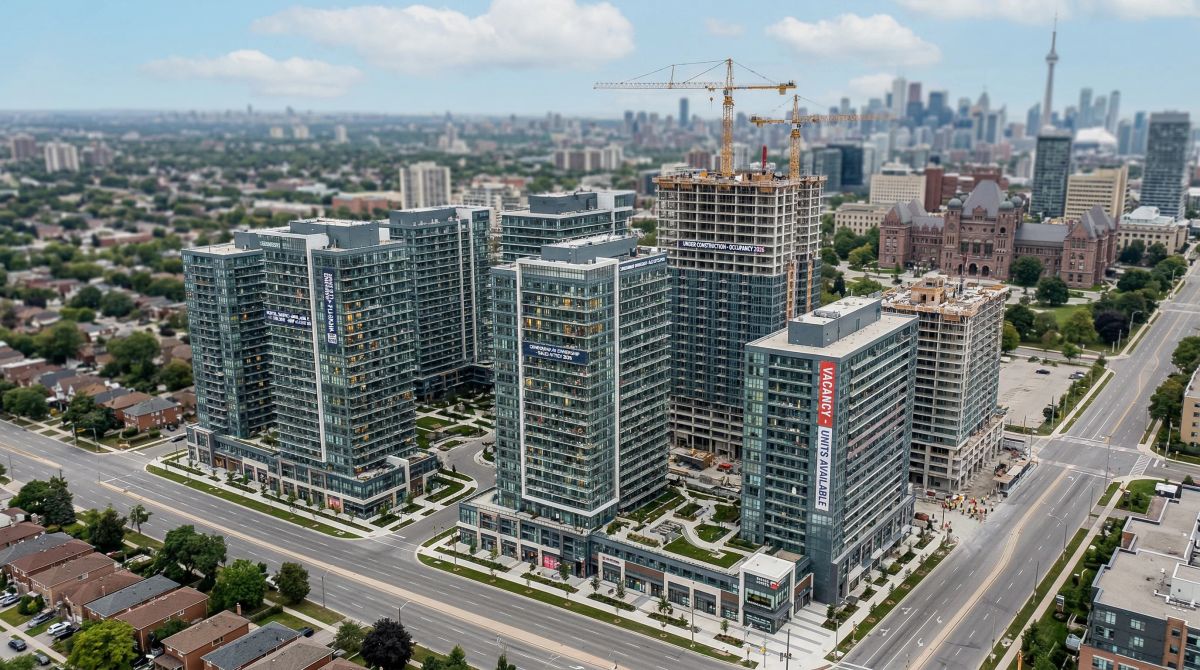
Ontario's 2026 budget includes a $300M fund to convert 2,200 unsold condos to rentals, $875M for housing infrastructure, and expanded HST relief for new homes.
A Budget Built on Housing Crisis Response
Ontario's 2026 budget dropped last week with a clear message: the province knows its housing sector is struggling, and it's throwing significant money at the problem. The headline grabber was the HST rebate for new homes, but several other measures deserve attention -- particularly a first-of-its-kind fund to convert thousands of unsold GTA condos into rental housing.
Here's what the budget actually contains and what it means for buyers, sellers, investors, and the broader GTA market.
The $300 Million Condo-to-Rental Conversion
This is arguably the most creative policy move in the budget. Ontario is investing $300 million through the Building Ontario Fund in partnership with High Art Capital to convert approximately 2,200 unsold condo units across the GTA into long-term rental housing.
The numbers behind this initiative:
| Detail | Amount/Number |
|---|---|
| Provincial investment | $300 million (mostly structured as repayable loan) |
| Total fund capitalization target | $1.3 billion+ |
| Additional private capital | ~$733 million from other investors |
| Units to be converted | ~2,200 |
| Affordable units (below-market rent) | ~550 (25% below market or 30% of median income) |
| Minimum hold period | 5 years |
| Property management partners | Tridel and Menkes |
High Art Capital's managing partner Ryan Roebuck didn't mince words: "There is a rare opportunity right now to convert newly completed but unsold housing into long-term rental supply at scale."
The context makes this move obvious. Urbanation data shows the Greater Toronto and Hamilton Area was sitting on 3,897 completed and unsold condo units at the end of 2025 -- a 131% year-over-year increase and five times higher than 2023 levels. Roughly 10% of pre-sold condos registered in 2025 were taken back by developers after buyers failed to close, representing about 3,000 units.
For developers with unsold inventory bleeding carrying costs, this fund offers a lifeline. Eligible submissions must be blocks of at least 10 vacant units in registered condo buildings, new builds completed after January 1, 2023, located in Toronto, Durham, Halton, Peel, or York.
The HST Relief Expansion
The budget formalized what was announced March 25: a temporary removal of the full 8% provincial HST on qualifying new homes up to $1 million, providing up to $80,000 in provincial savings. Combined with the federal 5% GST component, total relief reaches $130,000.
The budget also expanded Ontario's first-time buyer HST rebate to align with the federal effective date of March 20, 2025 -- meaning buyers who signed purchase agreements after that date can retroactively qualify.
$875 Million for Housing Infrastructure
The Municipal Housing Infrastructure Program received a $700 million boost, bringing total program funding to $875 million. This focuses on health and safety water system infrastructure -- the unglamorous but essential work that must happen before new subdivisions can be built.
Additional infrastructure highlights:
- $4 billion Municipal Housing Infrastructure Program (total allocation)
- $1.2 billion Building Faster Fund rewarding municipalities that accelerate approvals
- $53 million over three years for supportive housing, creating 425 units plus 900 units through the HART Hub model
- $83 million for affordable student housing at Toronto Metropolitan University
- 33 modular homes each for Toronto and Ottawa pilot projects
Housing Starts: The Uncomfortable Reality
Despite these investments, the budget's own numbers tell a sobering story. Ontario's housing start projections were cut again:
| Year | Previous Projection | Updated Projection |
|---|---|---|
| 2026 | 74,800 | 64,800 |
| 2027 | -- | 70,300 |
| 2028 | -- | 76,800 |
The province's 2022 target of 1.5 million homes by 2031 looks increasingly unreachable. Finance Minister Peter Bethlenfalvy distanced himself from the number during the budget announcement: "No, no, I'm not focused on the target. I'm focused on what we can do today to make it more affordable for people to own homes."
CMHC's spring 2026 Housing Supply Report adds context: condo presales have "collapsed," unsold inventory has surged, and financial conditions are tightening. Meanwhile, about 10% of pre-sold condos that were registered are being taken back by developers after purchasers failed to close.
What the Resale Market Looks Like
On the resale side, the budget projects a rebound: home resales growing 9.1% in 2026, 5.6% in 2027, and 4.2% in 2028. But that optimism clashes sharply with TD Economics, which just forecasted a 3.2% decline in Ontario sales and a 4% price drop for 2026.
TRREB's February data showed the GTA average price at $1,008,968 -- down 7.1% year-over-year. Days on market in Toronto are stretching past 50. Over 100,000 potential buyers remain on the sidelines.
The practical takeaway for the GTA market: Ontario is spending real money to address housing supply and affordability, but the effects will take time. The condo-to-rental conversion helps clear inventory now. The HST rebate could stimulate new-build demand starting April 1. But the structural challenges -- elevated construction costs, cautious developers, weak condo presales -- aren't going away in a single budget cycle.
Spring 2026 remains a buyer's market. The question is whether these budget measures are enough to keep it from getting worse.

Written by
Frank Lee
Market news and data explainers
Market news and data explainers. Writes from public releases (TRREB, CMHC, StatCan, BoC) with original analysis for Ontario / GTA readers.
View all articles by Frank →

