Ontario Housing Starts Jump 17% in February as Recovery Signs Emerge
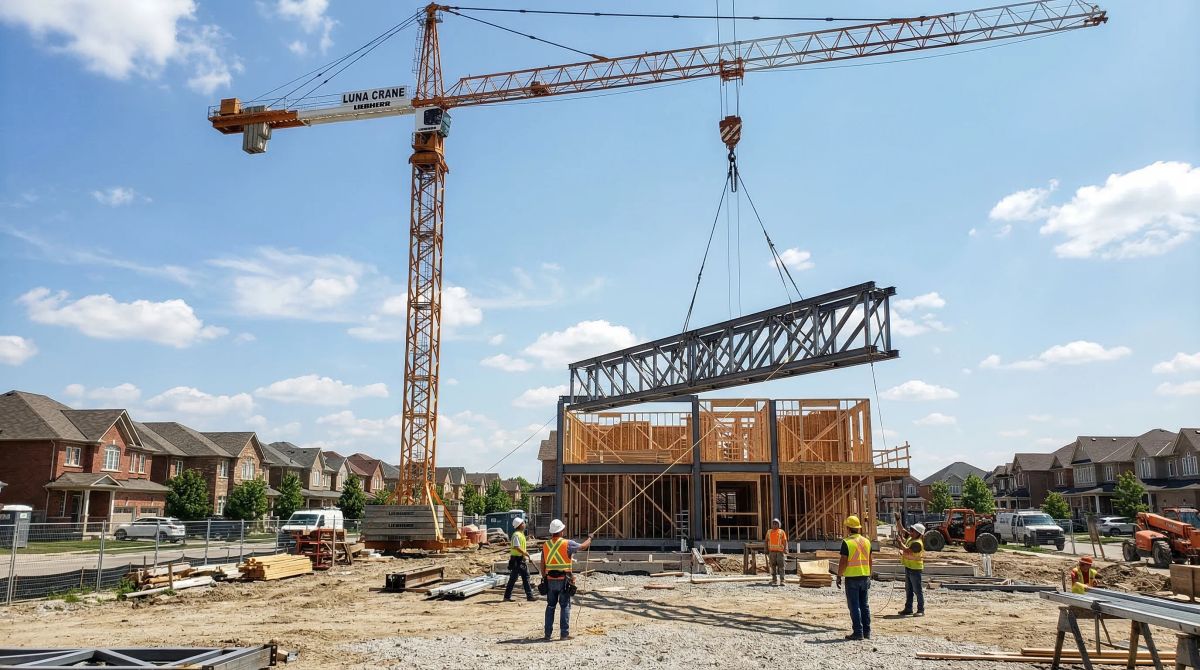
Ontario housing starts rose 17% in February to 4,665 units, marking two consecutive months of year-over-year growth and outpacing the national average of 5%.
Two Months of Gains — The First Genuine Good News in a While
Ontario's homebuilding sector has been through a rough stretch, but February 2026 brought something the province hasn't seen in a while: back-to-back monthly improvement. New data from the Canada Mortgage and Housing Corporation shows housing starts in Ontario increased 17% year-over-year in February, reaching 4,665 units. That's the second consecutive month of year-over-year gains for the province — a streak that hasn't happened in years.
Taken together, the first two months of 2026 show Ontario reporting a 14% increase in housing starts compared to the same period in 2025. For context, the national average increase over those same two months was just 5%. Ontario is leading the country on this measure — though as with most things in this market, the details matter.
The Numbers Behind the Headlines
Of the 4,665 starts recorded in February, only 387 were single-family homes. The rest were multi-unit residential — apartment buildings, stacked townhouses, and purpose-built rental projects that dominate what's being built in Ontario right now. That composition isn't surprising given land costs and zoning realities in the province, but it does mean the recovery in starts isn't driven by the ground-level, family-home construction that suburban communities are most hungry for.
Global News reported that while Ontario's overall starts rose impressively, Toronto's housing starts actually dipped by almost 30% compared to the same period last year. The recovery is happening outside the 416 — in mid-size cities, suburban communities, and regional centres that have been more agile in approvals and serviced land availability. That's a meaningful geographic nuance buried in the provincial aggregate number.
The Ford Government's 1.5 Million Homes Goal Gets Quietly Revised
The February data arrives with some political context. The Ontario government's signature housing commitment — 1.5 million new homes by 2031 — has been quietly reclassified as a "soft target" by the government itself. Premier Ford had previously promised homes would sprout "like mushrooms" once interest rates fell. Rates did fall. The mushrooms mostly didn't come.
The government blamed rising interest rates on the way up, and then pointed to the cost of building approvals and permits from municipalities on the way down. Legislation aimed at addressing that red tape has been introduced repeatedly. Two consecutive months of improving starts might suggest it's starting to work — or it might simply reflect a statistical recovery from an unusually weak base period.
Housing Minister Rob Flack has said he's hopeful that changes brought in last year will help spur construction activity heading into spring. Two months of data is encouraging. It's not a trend yet.
What It Would Take for This to Be Sustained
The challenge for Ontario's construction recovery is that it's happening against a backdrop of still-depressed new home sales. Developers don't start building unless they can sell — and right now, new condo sales across the GTA are at multi-decade lows. Pre-construction sales activity collapsed 92% from its 10-year quarterly average in late 2025. Without buyers for new units, starts eventually follow sales downward, typically with a six-to-eighteen-month lag.
The February gain in starts may reflect projects that were sold and financed before the market softened — units reaching the construction phase now after years in the pipeline. That back-fill of activity is real and welcome. But it's not the same thing as a new wave of demand driving new projects.
For Ontario to sustain meaningful housing start activity through 2026 and into 2027, it needs either a recovery in pre-construction sales (which requires buyer confidence), a major expansion of purpose-built rental development (which requires government financing support), or both. The 14% gain over the first two months of the year is a start. Whether the spring construction season delivers more of the same will tell us whether this is a genuine turning point or a temporary uptick in a market still searching for its bottom.
The next CMHC starts data, expected in mid-April, will be closely watched by builders, policymakers, and buyers across the province.
Where Outside Toronto Is Growing
While Toronto's starts fell 30% in February, much of Ontario's 17% provincial gain came from mid-size cities and suburban communities with faster approval timelines and more available serviced land. Markets like Hamilton, London, Windsor, and communities in the Simcoe County area have been absorbing some of the development activity that the GTA has been unable to convert into shovels in the ground.
This geographic dispersal of construction activity is a meaningful shift. It reflects both the economic reality that building costs are lower outside the 416 and the policy reality that municipal approvals have been faster in communities more aggressively competing for development. Whether Toronto catches up — or cedes more construction activity to the regions — will shape Ontario's housing supply landscape for the rest of the decade.
Ultimately, two months of improving starts data is a reason for cautious optimism, not celebration. Ontario needs sustained, broad-based construction growth to address a structural housing deficit that's been building for years. The February numbers suggest the province is moving in the right direction. But with the pre-construction condo market in freefall and financing conditions still challenging, sustaining that momentum through the full year remains an open question.

Written by
Frank Lee
Market news and data explainers
Market news and data explainers. Writes from public releases (TRREB, CMHC, StatCan, BoC) with original analysis for Ontario / GTA readers.
View all articles by Frank →