
TD Economics Slashes Ontario Housing Forecast: Sales Down 3.2%, Prices to Drop 4% in 2026
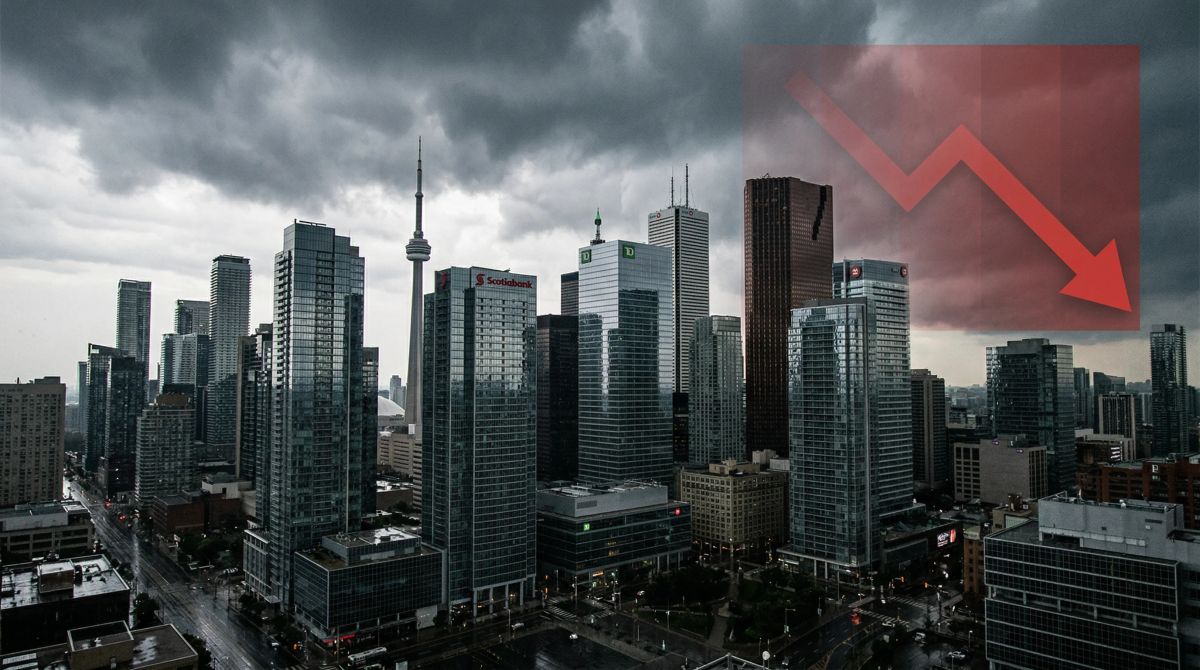
TD Economics reversed its 2026 Ontario forecast from +13% sales growth to -3.2%, with prices now expected to fall 4%. Pent-up demand hasn't materialized.
From Optimism to a Full Reversal
TD Economics dropped a bombshell on the Ontario housing market this week. In a report published March 26, economist Rishi Sondhi revealed that the bank has dramatically reversed its 2026 housing forecast — and Ontario took the hardest hit of any province.
Back in December, TD was calling for a 13% jump in Ontario home sales and a modest price increase. Now? They're projecting a 3.2% decline in transactions and a 4% drop in home prices. That's a swing of over 16 percentage points on the sales side alone.
The national numbers tell a similar story, though less severe. TD now expects Canadian home sales to fall 1.8% year-over-year (previously: +9.3%) and prices to dip 0.3% (previously: +4.1%).
What Went Wrong With the Original Forecast
The short answer: the first quarter of 2026 was much weaker than anyone expected.
TD's report points to "weaker-than-expected performances in 2025Q4 and especially 2026Q1" as the trigger for the downgrade. While severe weather in Central and Atlantic Canada suppressed some activity, weakness showed up in milder regions too — British Columbia saw soft sales despite temperate conditions.
Sondhi identified several persistent headwinds keeping the market stuck:
- A subdued economy with heightened uncertainty
- Ongoing cost of living pressures squeezing household budgets
- Strained affordability that continues to sideline Ontario and B.C. buyers
- Falling prices actually discouraging buyers, who are waiting for a clearer bottom
That last point is particularly important. Price declines that were supposed to bring buyers off the sidelines are having the opposite effect — people see prices dropping and decide to wait longer.
Ontario and B.C. Get the Biggest Downgrades
Here's how TD's Ontario forecast shifted from December to March:
| Metric | December 2025 Forecast | March 2026 Forecast | Swing |
|---|---|---|---|
| Home sales growth | +13.0% | -3.2% | -16.2 points |
| Price growth | +0.6% | -4.0% | -4.6 points |
British Columbia saw a similar reversal, with sales projections shifting from +15.1% to -0.2%, and prices going from +3.6% to -1.2%.
Sondhi was blunt about the reason: pent-up demand "has not re-emerged as swiftly as earlier anticipated" in these provinces. Translation — those 100,000+ sidelined buyers in the GTA that TRREB keeps referencing? They're still sitting tight.
The GTA Condo Market Remains the Weakest in Canada
TD's provincial breakdown singles out the GTA condo market as the weakest segment in the country, noting that "elevated supply needing to be absorbed before prices stabilize." With over 4,500 unsold condo units in the City of Toronto and condo prices down 8.8% year-over-year across Ontario, investor appetite has cratered.
Several factors are piling onto the condo sector:
- Population decline: Canada's population actually fell last year for the first time since Confederation, driven primarily by losses in Ontario and B.C. Fewer people means less demand.
- Falling rents: Ontario rents dropped 4.7% year-over-year to a 33-month low, making the math even worse for condo investors already dealing with negative cash flow.
- Mortgage renewal stress: CMHC data shows Toronto leads the country in projected mortgage arrears growth, with pandemic-era buyers facing steep payment increases at renewal.
Capital Economics Piles On
TD isn't the only major forecaster sounding the alarm. Capital Economics warned in its March 2026 Canada Housing Watch that "there is no relief in sight for the troubled housing market," noting that spiking global oil prices could push mortgage rates higher in coming weeks. Their forecast now calls for house prices to fall for the fifth consecutive year.
The interest rate environment isn't helping. While the Bank of Canada held steady at 2.25% in March, the best five-year fixed rate has climbed to 3.94% — up from 3.79% in February — as Government of Canada bond yields push higher. TD expects rates to be "a largely neutral factor" for the rest of 2026, meaning no rate cuts to rescue the market.
Bright Spots Beyond Ontario
Not every market is struggling equally. TD's report identifies some relative winners:
- Alberta: Strongest population growth nationally, supported by immigration and interprovincial migration. Markets are rebalancing from tight conditions.
- Saskatchewan and Manitoba: Tighter supply and relatively strong affordability supporting firmer price gains.
- Northern Ontario: Conditions are "considerably tighter" than the GTA, with less inventory pressure.
- Eastern Ontario: Somewhat firmer than the GTA and surrounding regions.
The 2027 Recovery Story
TD does see light at the end of the tunnel — it's just pushed back. The bank predicts a 9.6% rebound in Canadian home sales by 2027, alongside a 2.7% rise in average prices, fueled by improved economic conditions and job market gains.
But that's cold comfort for Ontario sellers trying to move their homes this spring, or buyers trying to decide whether to act now or keep waiting.
The practical takeaway? Ontario's housing correction isn't done. TD's own models suggest further price declines may be needed before sidelined buyers feel confident enough to jump back in. The spring market that many hoped would spark a recovery is instead shaping up as another chapter in a four-year correction that's already erased 24% of GTA home values since the February 2022 peak.
For buyers, the waiting game continues. For sellers, pricing discipline isn't just recommended — it's essential.

Written by
Frank Lee
Market news and data explainers
Market news and data explainers. Writes from public releases (TRREB, CMHC, StatCan, BoC) with original analysis for Ontario / GTA readers.
View all articles by Frank →

