
The Complete Ontario Home Inspection Guide: What Buyers Need to Know Before Waiving That Condition
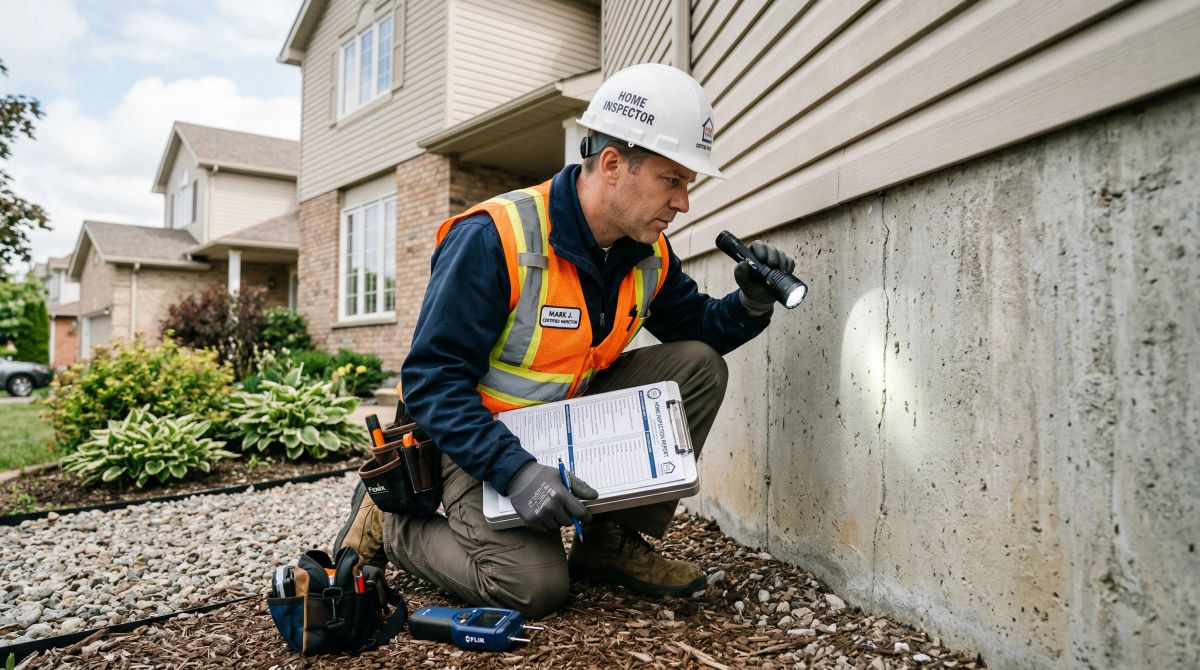
A $400-$600 home inspection can uncover tens of thousands in hidden problems. Here's what Ontario inspectors check, red flags to catch, and when to walk away.
The Most Important $500 You'll Spend
In the frenzied markets of 2021 and 2022, Ontario buyers routinely waived home inspections to win bidding wars. Many of them are now dealing with $15,000 foundation repairs, $8,000 electrical panel replacements, and $25,000 roof jobs they didn't see coming.
In spring 2026, you don't have to make that mistake. With properties sitting 50+ days on market, over 100,000 buyers on the sidelines, and sellers eager to close, you have the leverage to include a home inspection condition on virtually every offer. And you should.
A professional home inspection costs $400-$600 for a typical Ontario home. It takes 2-4 hours. And it can save you from walking into a money pit that looks beautiful on the surface but is falling apart underneath.
Here's everything Ontario buyers need to know about the inspection process, what to expect, and how to use the results.
What a Home Inspector Actually Checks
A qualified Ontario home inspector examines all accessible and visible components of the property. They don't tear open walls or dig up foundations -- it's a visual and functional assessment. Here's what a thorough inspection covers:
Exterior
| Component | What They Check | Common Issues in Ontario |
|---|---|---|
| Roof | Shingle condition, flashing, gutters, ventilation | Age (25+ year shingles nearing end of life), ice dam damage, missing flashing |
| Foundation | Cracks, bulging, water staining, grading | Horizontal cracks (structural), efflorescence (water), poor drainage directing water toward foundation |
| Siding/cladding | Damage, gaps, rot, paint condition | Moisture intrusion behind vinyl/aluminum, rotting wood trim |
| Windows/doors | Seal integrity, operation, condensation | Failed seals (foggy double-pane glass), rot in wood frames |
| Grading/drainage | Slope direction, downspout routing | Negative grading directing water toward foundation -- extremely common in older Ontario homes |
Interior Structure
| Component | What They Check | Common Issues |
|---|---|---|
| Foundation walls (interior) | Cracks, bowing, moisture, mould | Horizontal cracks in block foundations (major structural concern) |
| Floor joists/beams | Sagging, rot, insect damage | Bouncy floors, notched or cut joists from previous renovations |
| Attic | Insulation, ventilation, moisture, roof deck | Inadequate insulation (R-30 vs recommended R-60), bathroom fans venting into attic instead of outside |
| Basement | Water intrusion, efflorescence, sump pump | Water staining, musty odours, non-functional sump pump |
Mechanical Systems
| System | What They Check | Replacement Cost |
|---|---|---|
| Electrical panel | Capacity, wiring type, grounding, safety | $2,000 - $5,000 for panel upgrade |
| Plumbing | Pipe material, water pressure, drainage, water heater | $8,000 - $20,000+ for full re-pipe |
| HVAC (furnace/AC) | Age, operation, efficiency, ductwork | $5,000 - $12,000 for furnace; $3,000 - $6,000 for AC |
| Water heater | Age, type (rental vs owned), condition | $1,500 - $3,000 if owned; check rental terms if leased |
Red Flags That Should Scare You
Not all inspection findings are equal. Some are minor maintenance items. Others are deal-breakers. Here are the ones that should make you think twice:
Structural issues
- Horizontal foundation cracks: These indicate lateral pressure on the foundation walls and can signal serious structural failure. Repair cost: $10,000-$50,000+.
- Significant floor slope: More than 1 inch over 8 feet suggests foundation settlement or structural beam problems.
- Evidence of previous structural repair: Not necessarily bad -- but demand to see the engineering report and warranty.
Water and moisture
- Active water intrusion in the basement: Water staining, puddles, or running water during the inspection is a serious concern. Exterior waterproofing can cost $10,000-$25,000.
- Mould (visible or smelled): Professional mould remediation runs $3,000-$10,000+ depending on extent. Hidden mould behind walls can be far worse.
- Roof leaks with interior damage: Water stains on ceilings, bubbling paint, or soft spots indicate active leaks that have been going on long enough to cause structural damage.
Electrical hazards
- Knob-and-tube wiring: Common in pre-1950s Ontario homes. Many insurers won't insure homes with active knob-and-tube. Rewiring cost: $8,000-$20,000.
- Federal Pacific or Zinsco panels: Known fire hazards. Panel replacement: $2,000-$4,000.
- Aluminum wiring (1965-1975 homes): Fire risk at connections. Requires special connectors or rewiring. Insurance may be difficult to obtain.
Environmental concerns
- Asbestos: Common in homes built before 1980. Ceiling tiles, insulation, floor tiles, and pipe wrap may contain asbestos. Safe when undisturbed, but remediation for renovation is expensive.
- Vermiculite insulation: May contain asbestos. Often found in attics of 1960s-1980s Ontario homes.
- Underground oil tanks: Common in older Ontario homes that converted from oil to gas. Removal and soil remediation if it's leaked: $10,000-$50,000+.
Ontario-Specific Issues to Watch For
Ontario's climate and building history create some region-specific concerns:
- Ice damming: Poor attic insulation and ventilation cause ice dams that damage roofs and cause interior water damage. Extremely common in Ontario.
- Lead pipes (pre-1955 homes): Homes built before 1955 may have lead supply lines from the city main to the house. The City of Toronto offers a lead pipe replacement program, but the homeowner's portion can still cost $3,000-$5,000.
- Galvanized steel pipes: Common in 1940s-1960s homes. These corrode from the inside out, restricting water flow and eventually leaking. Replacement with copper or PEX: $5,000-$15,000.
- Kitec plumbing (2000-2007): This orange-and-blue flexible piping was recalled due to premature failure. If found, replacement is typically covered by a class-action settlement, but it's disruptive and time-consuming.
- UFFI insulation: Urea-formaldehyde foam insulation was banned in Canada in 1980. While generally considered safe today, its presence must be disclosed under Ontario real estate law, and some buyers avoid UFFI homes.
How to Choose an Inspector
Not all inspectors are created equal. In Ontario, home inspectors don't need a licence to operate (unlike many U.S. states), which means quality varies widely.
Look for:
- Membership in a professional association: CAHPI (Canadian Association of Home and Property Inspectors), OAHI (Ontario Association of Home Inspectors), or InterNACHI. Members follow standards of practice and a code of ethics.
- Errors and Omissions insurance: Protects you if the inspector misses something significant.
- Experience: Ask how many inspections they've completed. 500+ is a reasonable benchmark for competence.
- Sample report: Request a sample report before hiring. Good inspectors provide detailed, photo-documented reports -- not one-page checklists.
- Willingness to let you attend: The best inspectors encourage buyers to follow along and ask questions during the inspection.
Cost ranges for Ontario home inspections:
| Property Type | Inspection Cost |
|---|---|
| Condo (interior only) | $300 - $450 |
| Townhouse | $400 - $550 |
| Detached home (under 2,000 sq ft) | $400 - $600 |
| Detached home (over 2,000 sq ft) | $500 - $700 |
| Older home (pre-1960) | $500 - $750 (more to check) |
What to Do With the Results
The inspection report will likely list dozens of findings. Don't panic. Most are minor maintenance items. What matters is how you categorize them:
Category 1: Deal-breakers (walk away or demand major concessions)
- Active structural failure
- Extensive mould or water damage
- Hazardous electrical (knob-and-tube, defective panels)
- Environmental contamination
- Issues that would cost $20,000+ to remediate
Category 2: Negotiation points (request price reduction or seller repairs)
- Aging roof (5 years or less remaining life)
- HVAC near end of life
- Plumbing upgrades needed
- Window replacement needed
- Issues costing $5,000-$20,000
Category 3: Maintenance items (normal ownership costs)
- Minor caulking and sealing
- Cosmetic defects
- Standard wear and tear
- Items under $2,000
In the current buyer's market, you have room to negotiate on Category 2 items. Ask for a price reduction equal to the estimated repair cost, or request that the seller complete specific repairs before closing. Sellers who've been on the market for 50+ days are often willing to negotiate rather than lose a buyer.
The Inspection Condition: How It Works in Ontario
When you include a home inspection condition in your offer, you're giving yourself a window (typically 5 business days) to conduct the inspection and decide whether to proceed.
Your options after the inspection:
- Waive the condition: You're satisfied with the results and proceed with the purchase as-is.
- Negotiate: Use the inspection findings to request a price reduction or specific repairs. The seller can accept, counter, or reject.
- Walk away: If the findings are serious enough, you can terminate the deal and get your deposit back (assuming the condition was properly drafted).
Important: make sure your inspection condition is properly worded by your lawyer or agent. A vague condition like "subject to satisfactory inspection" can create disputes. Specific language about your right to terminate based on inspection results protects you clearly.
Condo Inspections: Different But Still Important
Condo buyers often skip the home inspection, assuming the condo corporation handles everything. That's a mistake. A condo inspection covers:
- In-suite plumbing, electrical, and HVAC
- Window condition and seal integrity
- Balcony/terrace condition
- Appliance functionality
- Evidence of water intrusion from above or adjacent units
The condo corporation's status certificate covers the building's finances and common elements. The home inspection covers your individual unit. You need both.
Pre-Construction Inspections (Pre-Delivery Inspection)
If you're buying new construction -- especially with the HST rebate in play -- you'll conduct a Pre-Delivery Inspection (PDI) before taking possession. This is different from a resale inspection:
- It's typically conducted with the builder's representative present
- You document all deficiencies (scratches, missing items, incomplete work) on a form
- The builder is obligated to address documented deficiencies under the Tarion warranty
- Consider hiring a professional inspector to accompany you -- they'll catch things you'll miss
When NOT to Waive the Inspection
In spring 2026, there are very few situations where waiving the inspection makes sense. The market conditions give you leverage to include it on virtually every offer. But here are the only scenarios where you might consider it:
- You're bidding on a property with strong competition (still happening in some freehold segments) and the seller won't accept conditional offers
- You've already conducted a pre-inspection (paid for a full inspection before submitting the offer)
- The home is brand new with full Tarion warranty coverage
Even in competitive situations, a pre-inspection is preferable to waiving entirely. Spending $500 to inspect a home you might not buy is cheaper than discovering $30,000 in problems after you've committed.
The Bottom Line
A home inspection is the most cost-effective risk mitigation tool available to Ontario buyers. For $400-$600, you get a professional assessment of a property worth $500,000 to $1,500,000. The potential savings -- from avoided repairs, negotiated price reductions, and dodged money pits -- are orders of magnitude higher than the cost.
In a buyer's market, there's no excuse to skip it. Include the condition. Hire a qualified inspector. Attend the inspection. Ask questions. And use the results to make an informed decision -- not an emotional one.

Written by
Sara Shao
Contributing writer
Contributing writer on buyer, career, and market explainers published on RealEstateHQ.
View all articles by Sara →

