Urbanation: Tariffs Are the Next Pressure on Canada's Rentals — Toronto and Vancouver Most Exposed
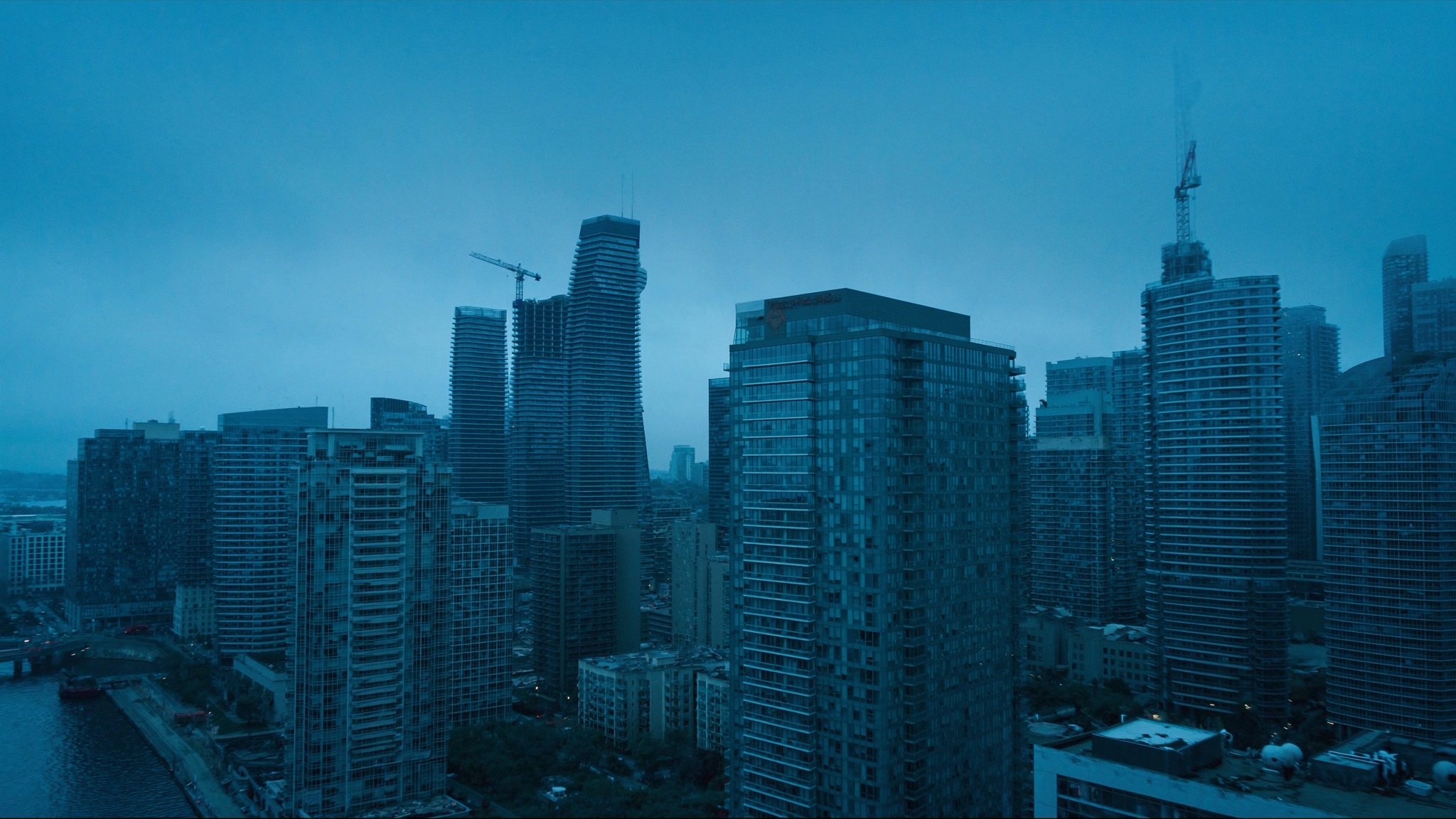
Rentals.ca and Urbanation say Canada's asking rents are already down 4.8% year over year, but tariff cost and job shocks still lie ahead — with Toronto and Vancouver's high-rise pipeline uniquely exposed.
Rentals.ca and Urbanation released a new tariffs analysis on September 22, and the Ontario angle is hard to miss. National average asking rents are already down 4.8% year over year in the September 2026 National Rent Report, but the firms argue the bigger tariff shock to rental demand and purpose-built supply has not fully arrived yet — especially in high-rise markets like Toronto and Vancouver.
Their framing matters for GTA readers: today's softer rents are still mostly a supply-and-population story. The trade-war channel works more slowly — through jobs and construction costs — and Urbanation says that lag is why the next pressure wave is still ahead of the rent print.
Demand: tariff-exposed cities are already seeing faster rent declines
Urbanation reports early demand-side stress. Since January 2025, asking rents in the 10 most tariff-exposed census metropolitan areas have fallen at roughly triple the pace of rents in the 10 least-exposed markets. Oshawa, heavily tied to auto manufacturing, is the clearest GTA-adjacent example: average asking rents for all property types are down 10.8% over the past year.
Exposure alone does not dictate outcomes. Windsor is also auto-exposed, yet rents there fell only 2.4% year over year — about half the national decline — which Urbanation ties to a thinner local rental supply. In other words, tariff risk shows up faster where inventory is already soft, and slower where listings are scarce.
On jobs, the analysis cites Statistics Canada manufacturing payroll employment down 40,600 nationally in calendar 2025, with Ontario absorbing the steepest hit at −27,200 jobs and primary metals manufacturing in the province down 18.4% in a single year. Beyond direct layoffs, Urbanation expects renters to delay household formation, stay with roommates or family longer, and renew rather than move — all of which softens turnover and absorption of new units.
Supply: high-rise Toronto and Vancouver absorb the steel hit
Purpose-built rental now accounts for more than 60% of all new housing construction nationally, helped by federal GST relief on new rentals and CMHC's MLI Select program. That also means tariff-driven material inflation lands hardest on the product type still getting built.
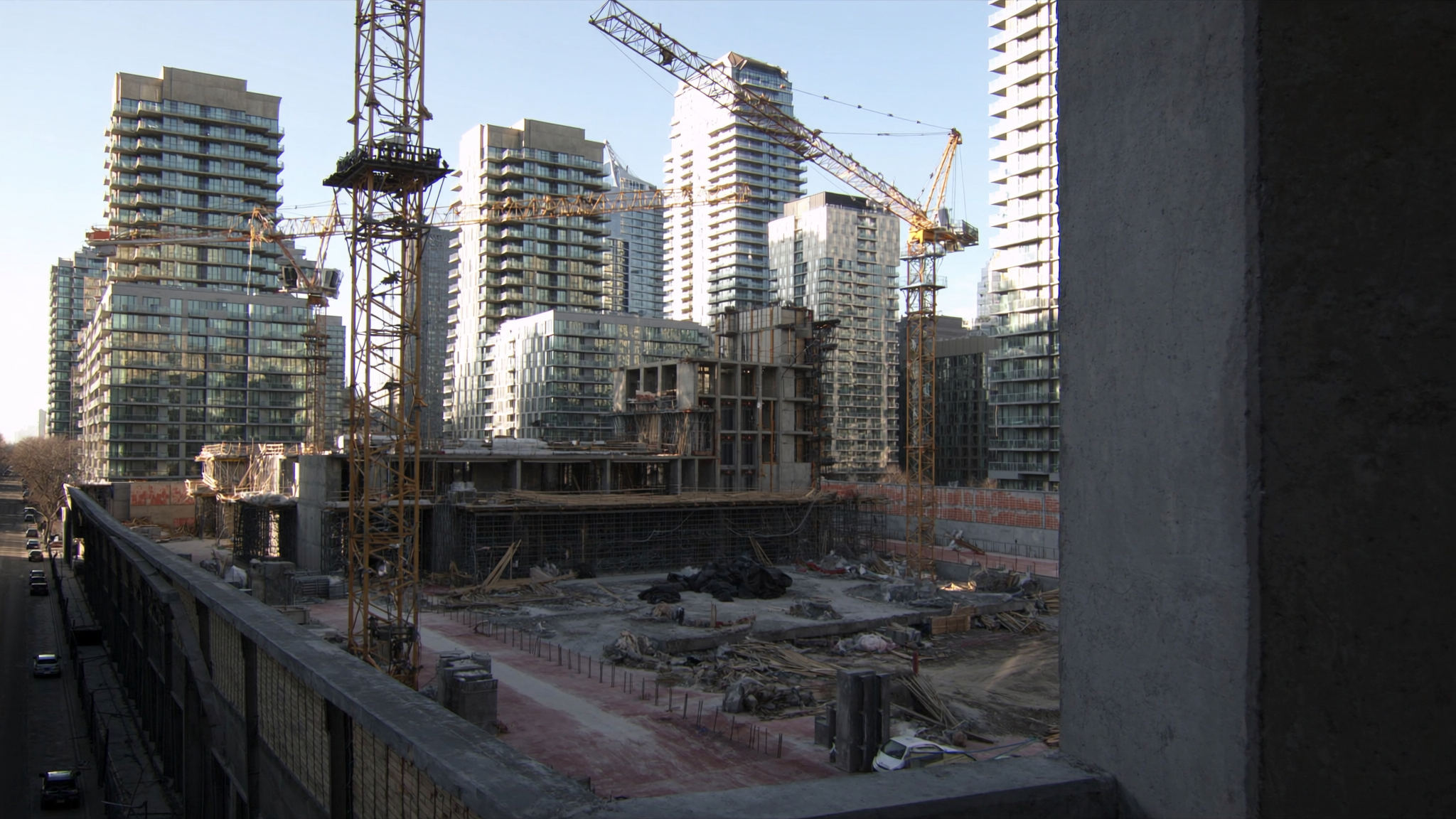
Urbanation flags Toronto's condo collapse as the backdrop: zero new condo projects launched in Q1 2026 — a first on record in Urbanation's Q1 GTHA Condominium Market Survey. In high-rise cities, steel costs matter. Citing Statistics Canada's Building Construction Price Index for Q2 2026, the analysis notes metal fabrication costs up 2.1% quarter over quarter, structural steel framing up 1.8% in the quarter and 7.2% since Q1 2025, attributed to retaliatory tariffs. Domestically oriented wood, plastics and composites actually edged −0.3% in the quarter — so the inflation is concentrated in steel and metal products, not every building material.
That mix hits Toronto and Vancouver harder than Alberta or Quebec low-rise, wood-frame markets. With rents already falling and underwriting tight, Urbanation warns marginal purpose-built projects could be shelved in 2026 — becoming missing completions around 2030–31 just as population growth is expected to recover.
What this means for GTA renters, investors and agents
For renters in the GTA and 905, softer asking rents (and Oshawa's double-digit drop) are real leverage now, but Urbanation's warning is about the medium term: if tariff costs and uncertainty kill starts this year, today's renter-friendly window can close when completions thin out later this decade.
For condo and purpose-built investors, the same report is a caution against reading the −4.8% national asking-rent print as permanent relief. Toronto's zero Q1 condo launches plus rising steel costs raise the odds that the next shortage is rental product delayed by higher build costs — not a sudden MLS rebound.
Agents advising landlord clients should separate two clocks: the near-term demand clock (jobs, renewals, delayed household formation) and the multi-year supply clock (starts deferred in 2026 showing up as missing completions in 2030–31). Calgary ranks highest on the Canadian Chamber of Commerce tariff-exposure index among cities in the National Rent Report, while Ontario autos/steel metros (Windsor, Hamilton, Kitchener–Cambridge–Waterloo, Brantford) sit in the same risk cluster as Oshawa — even when local rent outcomes diverge.
Sources
- Rentals.ca / Urbanation — Tariffs Emerge as New Pressure on Canada's Rental Market (press release, September 22, 2026)
- Rentals.ca / Urbanation — Tariffs, Trade Uncertainty, and Canada's Rental Market (full analysis)
- Rentals.ca / Urbanation — September 2026 National Rent Report (August asking rents; −4.8% y/y context)
Compiled by the Real Estate HQ editorial desk from primary data releases (sources linked above) and reviewed for accuracy. Figures are as reported by Rentals.ca and Urbanation on the release date.

Written by
Frank Lee
Market news and data explainers
Market news and data explainers. Writes from public releases (TRREB, CMHC, StatCan, BoC) with original analysis for Ontario / GTA readers.
View all articles by Frank →