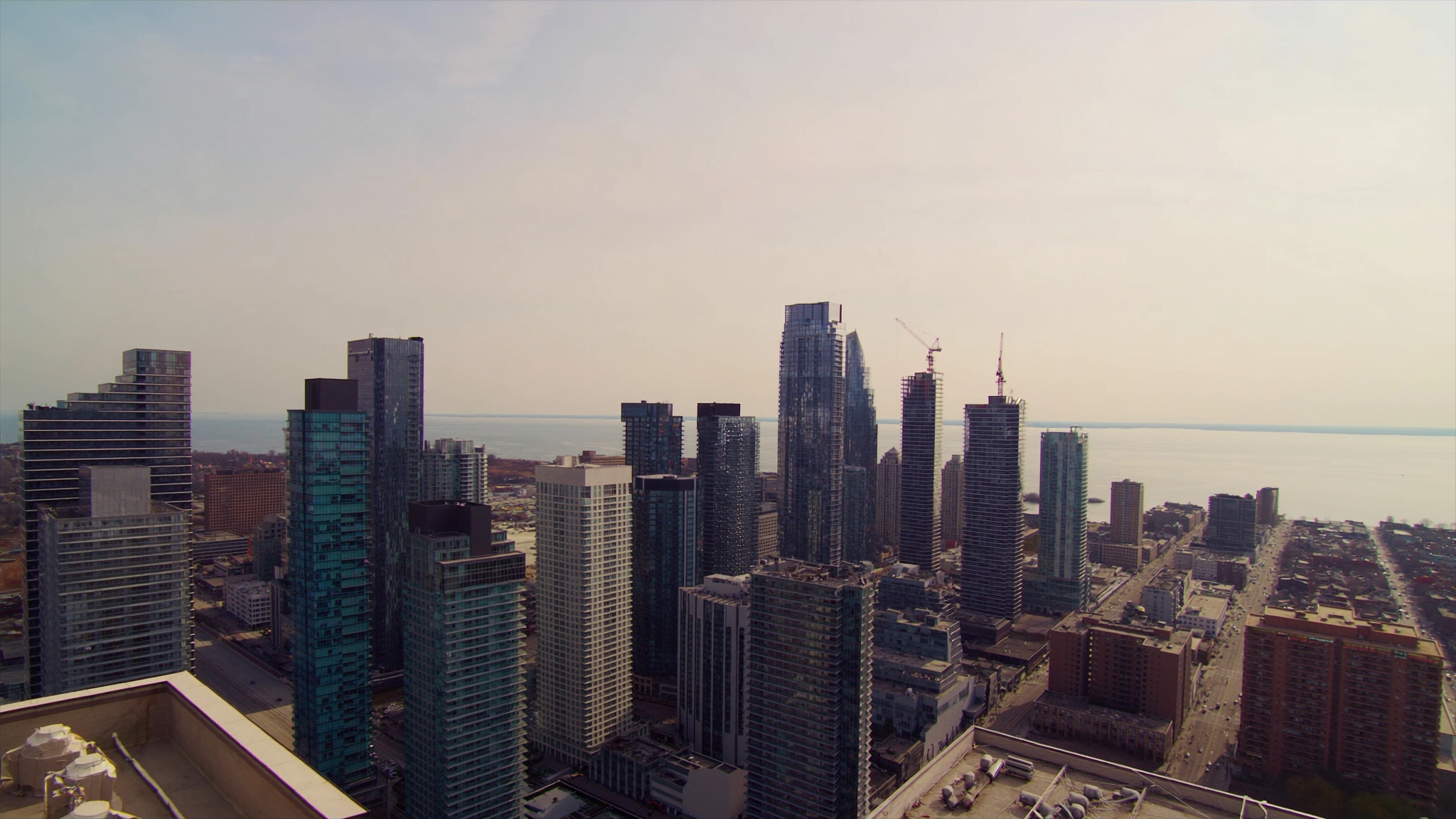
GTA August 2026: Sales Dip 2.1% as New Listings Plunge 14% — Average Price Slips Under $1M
TRREB's August Market Watch shows 5,057 GTA home sales (−2.1% YoY) and 12,075 new listings (−14.1%). The average price fell to $993,410 while the MLS HPI Composite was down 4.5% year-over-year — and the board says tighter choice could set up renewed price growth.
The Toronto Regional Real Estate Board's August 2026 Market Watch, released September 3, is not a demand-collapse story. Sales edged lower, but new listings fell much harder — and that inventory squeeze is the number TRREB wants buyers and sellers to notice heading into fall.
GTA REALTORS® reported 5,057 home sales through TRREB's MLS® System in August 2026, down 2.1% from August 2025. New listings came in at 12,075, down 14.1% year-over-year. On a seasonally adjusted basis, August sales were slightly softer than July, while new listings rose month-over-month.
The headline numbers
- Sales: 5,057 (−2.1% vs August 2025)
- New listings: 12,075 (−14.1% YoY)
- Average selling price: $993,410 (−2.7% YoY)
- MLS® HPI Composite benchmark: −4.5% YoY
- Seasonally adjusted MoM: sales slightly down vs July; HPI essentially flat; average price edged up
That average price print puts GTA below the $1 million mark again — the second time this year, after January. Year-over-year, both the average and the HPI Composite are still lower. Month-over-month on a seasonally adjusted basis, though, the composite was flat and the average selling price ticked higher.
TRREB's read: less choice, more competition ahead
TRREB frames the sales dip as partly a function of thinner selection. "If inventory tightens and home prices begin to rise, some buyers may face a trade-off between waiting for greater economic certainty and purchasing before prices move higher. At the same time, improving market conditions for sellers could bring more listings to market, providing buyers with additional choice," said TRREB President Daniel Steinfeld.
Chief Information Officer Jason Mercer tied the pause in demand to macro uncertainty rather than a sudden affordability shock: "Ownership housing in the GTA has remained relatively affordable over the past year, with average prices dipping and mortgage rates remaining somewhat flat. Recent news on the overall economy and job creation has been positive. The main hold-back for many households has been concerns around trade with the United States and the potential for higher inflation and borrowing costs in the future."
That comment lands one day after the Bank of Canada's September 2 hold at 2.25% — a seventh straight pause, with Governing Council flagging higher upside inflation risks from oil and new tariffs. Mortgage math is not easing into the listing season; TRREB is saying trade and inflation fears are still keeping households on the sidelines even as prices look softer than a year ago.
What this means for Ontario buyers, sellers, and agents
Buyers: the year-over-year price relief is real (average −2.7%, HPI Composite −4.5%), but new listings are down double digits. Waiting for more inventory is a bet against TRREB's own forward read — that less choice can feed renewed competition and price growth.
Sellers: August was not a fire-sale month. Seasonally adjusted prices held or edged up versus July even as volumes cooled. If you list into a thinner new-listings pool, presentation and pricing still matter more than chasing last year's comps.
Agents: lead with the listings plunge, not just the sales headline. A −2.1% sales print next to −14.1% new listings is a different market than a demand crash — and it matches Mercer's trade-uncertainty story more than a rate-cut narrative the Bank of Canada is not delivering.
CEO John DiMichele closed the release on the longer supply problem: a more balanced resale market "does not address Ontario's ongoing housing supply and affordability challenges," and municipalities still control zoning, taxes, development charges, and approval timelines that shape how many homes get built.
Sources
- Toronto Regional Real Estate Board, A Noticeable Dip in GTA Home Sales and Listings, Pointing to Renewed Price Growth, Market Watch news release, September 3, 2026.
- Bank of Canada, Bank of Canada maintains the policy rate at 2¼%, Fixed Announcement Date press release, September 2, 2026 (context only for mortgage-rate backdrop).

Written by
Frank Lee
Market news and data explainers
Market news and data explainers. Writes from public releases (TRREB, CMHC, StatCan, BoC) with original analysis for Ontario / GTA readers.
View all articles by Frank →