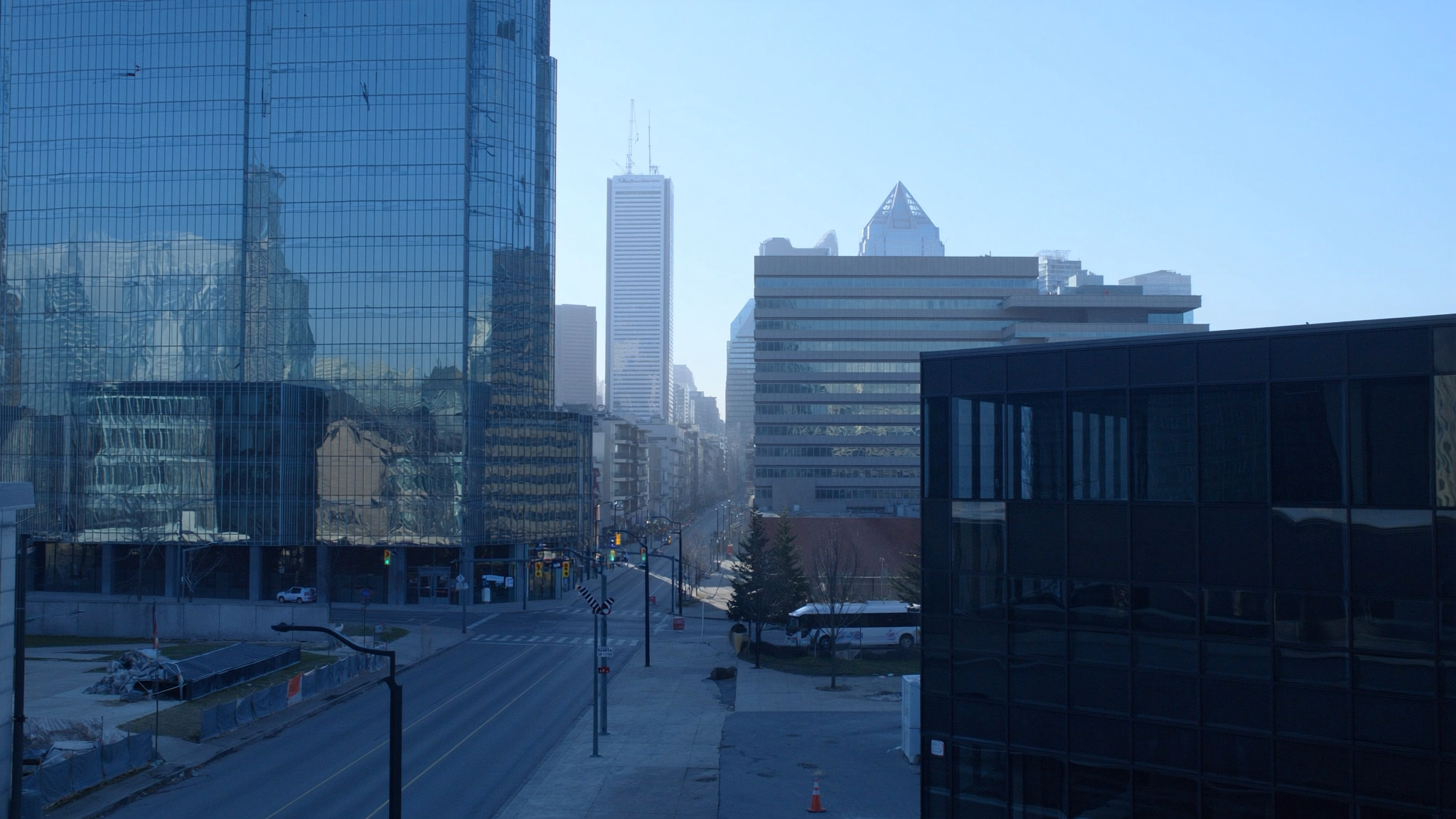
Canadian asking rents fell to $2,029 in May — and the GTA is set for an unusually soft summer

The May 2026 National Rent Report shows average asking rents down 4.7% year-over-year to $2,029 — a 20th straight month of decline. Here is the read-through for Greater Toronto renters, landlords and agents heading into the summer.
Canada's rental market just logged another month of falling asking rents, and the timing matters for the Greater Toronto Area. According to the latest National Rent Report from Rentals.ca and Urbanation, released June 8, 2026, the average asking rent for all residential property types across Canada slipped to $2,029 in May 2026, down 4.7% from a year earlier. It is the 20th consecutive month of annual rent declines — a streak that would have looked impossible during the post-pandemic surge of 2023.
The report's framing is blunt: Canada is heading into its peak summer leasing season unusually weak. Urbanation president Shaun Hildebrand attributes the softness to a combination of a “weak economic backdrop, a decreasing population and record apartment completions,” which together are keeping rent increases “softer than what is typical for this time of year.”
Why this lands harder in the GTA than almost anywhere else
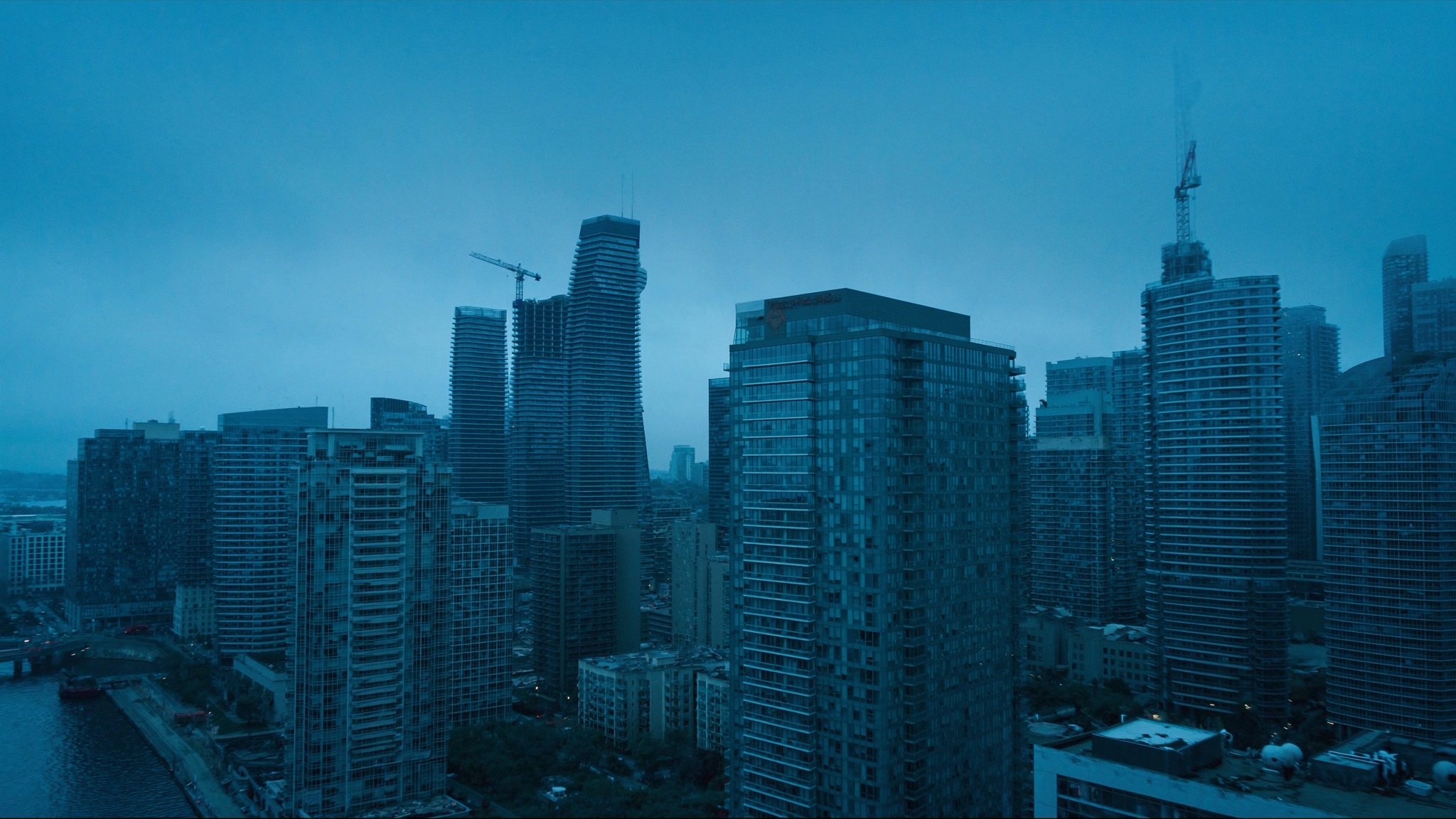
Two of the three forces Hildebrand names are concentrated in our backyard. The “record apartment completions” are not evenly spread across Canada — the GTA has the deepest pipeline of purpose-built rental and condo completions in the country, and a large share of those condo units are owned by investors who lease them out. When thousands of newly registered condos hit the market at once, individual landlords compete for the same tenants, and asking rents are the first thing to give.
The “decreasing population” story is equally a GTA story. The federal pivot to lower immigration and study-permit targets pulls demand fastest out of the markets that absorbed the most newcomers and international students — and Toronto sat at the top of that list. Fewer new arrivals competing for the same units, against a record supply wave, is the textbook recipe for the renter's market we are now seeing.
That national $2,029 figure is the headline, but the local picture is what matters if you rent or lease out a unit in Toronto, Mississauga, Brampton or the wider 905. Rentals.ca and Urbanation break the data down by province and city in the full report — and given that the GTA carries the country's deepest completion pipeline and absorbed the most newcomers who are now leaving, our market sits squarely in the path of both forces driving the national decline. Expect the local softness to track, and in many newer buildings exceed, the national trend.
What it means if you rent in the GTA
For the first time in years, time is on the tenant's side. A 20-month national decline tells you the negotiating leverage has flipped: in a market with record completions, units sitting empty cost landlords more than a modest rent concession. Renters touring newer buildings should ask directly about incentives — a month free, parking thrown in, or a held rate on renewal are all back on the table when a building is racing to lease up. If your current lease is up, it is worth pricing comparable units before you auto-renew; you may be paying above today's market.
What it means if you own a GTA rental or condo
The math for small investor-landlords — who own a large slice of GTA condo rentals — has tightened. Asking rents are softening into the season when they normally firm up, while carrying costs for anyone who bought near the top remain high. The takeaway is not to panic-cut, but to price realistically: an extra few weeks of vacancy chasing last year's rent can erase more than a small concession would have cost. Pricing to lease quickly, and keeping a good tenant rather than turning the unit, is the defensive play this summer.
The rate-decision wildcard, two days out
This report drops 48 hours before the Bank of Canada's June 10 rate decision. Softening rents feed directly into shelter inflation, which has been one of the stickier components keeping headline CPI elevated. A cooler rental picture, sustained, gives the Bank more room to ease later in the year — and lower rates would eventually pull some would-be renters back toward buying, tightening the rental market again. For now, the supply-and-population story is winning, and the GTA looks set for the softest summer rental market renters have seen in years. We will have a full read on the rate decision and its mortgage implications on June 10.
The bottom line
National asking rents at $2,029 and falling for a 20th straight month confirm a genuine renter's market — and the GTA, as the epicentre of both the supply wave and the population slowdown, is feeling it more than most. Tenants have leverage they have not had since 2021; landlords should price to lease, not to last year. For the province- and city-level breakdown, the full Rentals.ca and Urbanation report splits the numbers out by market.
Sources
- Rentals.ca & Urbanation — National Rent Report, May 2026 data (published June 8, 2026): rentals.ca/national-rent-report
- Rentals.ca Official Newsroom — National Rent Report: press.rentals.ca/releases/national-rent-report
- Urbanation — Latest Trends: urbanation.ca/latest-trends
Compiled by the Real Estate HQ editorial desk from primary data releases (sources linked above) and reviewed for accuracy. Figures are as reported on the release date.

Written by
Frank Lee
Market news and data explainers
Market news and data explainers. Writes from public releases (TRREB, CMHC, StatCan, BoC) with original analysis for Ontario / GTA readers.
View all articles by Frank →